
11 Powerful Free AI Tools for Students That Boost Learning and Productivity
Meta Description: Free AI Tools for Students are transforming the way learners study, research, write, and organize their academic life. Discover the best tools and strategies to study smarter.
Introduction to AI in Education
 |
The education landscape is evolving rapidly, and Free AI Tools for Students are now at the center of this transformation. Just a few years ago, students relied heavily on textbooks, libraries, and manual research. Today, artificial intelligence helps learners analyze information, organize ideas, and solve problems in seconds.
AI tools are no longer futuristic technologies reserved for scientists or developers. They are accessible, intuitive, and—most importantly—free for students to use. From writing essays to solving math problems and generating presentations, AI has become a digital study partner.
This transformation is closely tied to broader technological trends. For example, innovations discussed in The Personal Server Revolution highlight how computing power is increasingly shifting closer to individuals. Students now carry powerful AI capabilities in their pockets through smartphones and laptops.
Similarly, the rise of data-driven self-improvement—explored in The Quantified Self—means students can track productivity, learning habits, and study efficiency more effectively than ever.
In this guide, we’ll explore the best Free AI Tools for Students, how they work, and how they can dramatically improve academic performance.
Why Students Are Turning to Free AI Tools
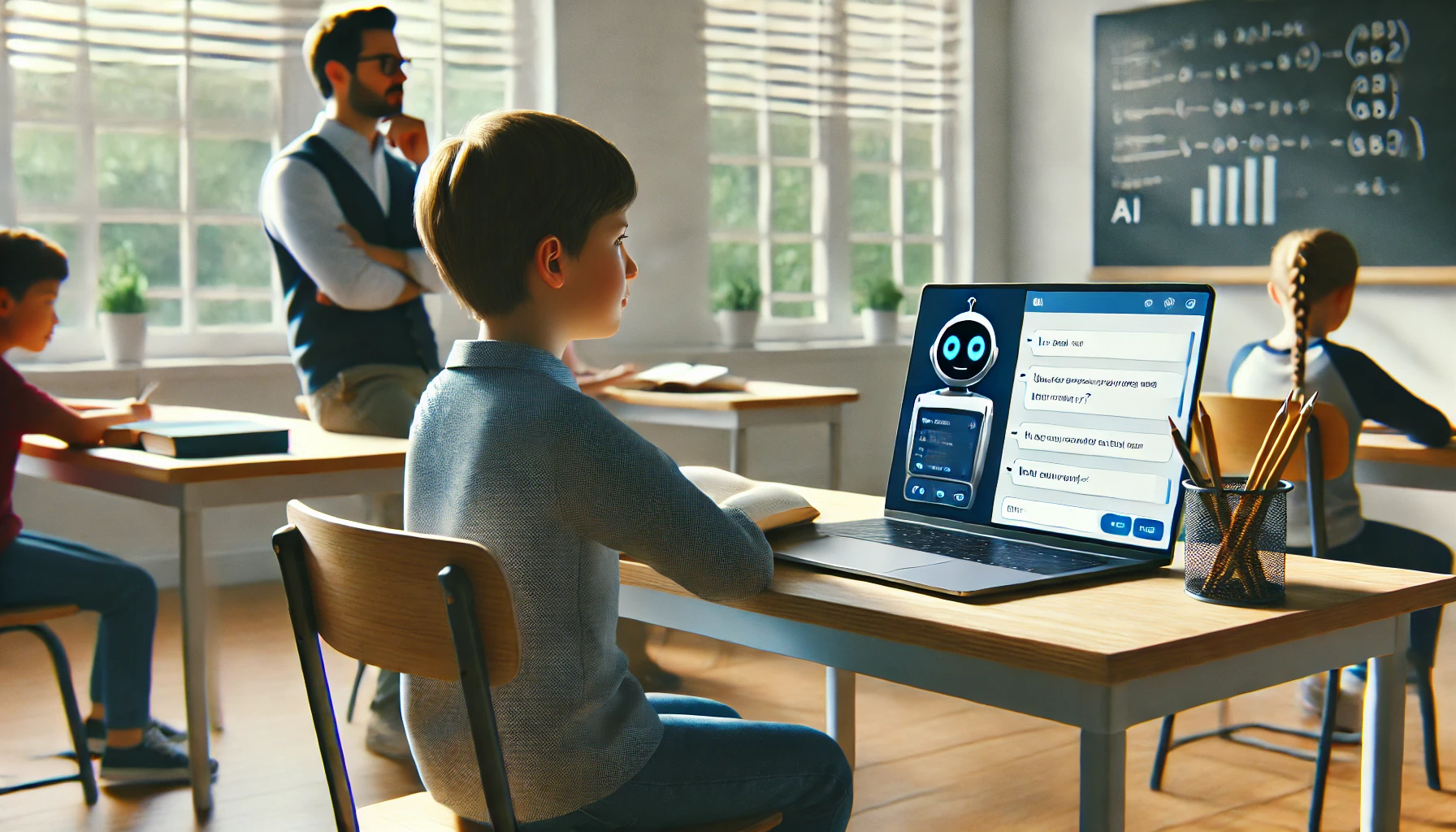 |
Here are the biggest reasons why Free AI Tools for Students are becoming essential.
- Faster Research: AI-powered search tools summarize complex information quickly. Instead of reading dozens of articles, students can extract key insights instantly.
- Better Writing Support:AI tools assist with grammar, structure, clarity, and style—making essays stronger and easier to read.
- Smarter Study Methods: Students can generate quizzes, flashcards, and summaries automatically.
- Time Management:AI scheduling and productivity tools organize study sessions efficiently.These technologies also connect to the broader digital ecosystem. For example, modern platforms rely heavily on APIs—the invisible infrastructure discussed in The API Economy—which allow apps to communicate and integrate seamlessly.
The Future of Smart Learning
Education is entering an era where technology disappears into the background while intelligence becomes embedded in everyday tools.
This idea closely aligns with the concept of ambient computing, explained in Ambient Computing, where technology becomes invisible but constantly helpful.
For students, this means:
- AI tutors available 24/7
- Personalized learning paths
- Smart note-taking systems
- Automated research assistants
In the near future, students might even have digital replicas of themselves—similar to the concept of Digital Twin Technology—that track learning progress and optimize study strategies.
But before that future arrives, let’s explore the best free AI tools available today.
1. ChatGPT – The Ultimate AI Study Companion
 |
Among all Free AI Tools for Students, ChatGPT is one of the most versatile.
Students use it to:
- Explain complex concepts
- Brainstorm essay topics
- Generate study guides
- Summarize long articles
- Practice interview questions
Best Ways Students Use ChatGPT
- Essay planning
- Exam preparation
- Language learning
- Coding help
For example, a student preparing a history essay could ask ChatGPT to summarize key events, outline arguments, and even suggest references.
However, students must still verify information and ensure originality in their work.
2. Grammarly – AI Writing Assistant
Key features include:
- Grammar correction
- Style suggestions
- Tone analysis
- Plagiarism detection
For students writing essays or research papers, Grammarly ensures the final text is polished and professional.
It also helps learners avoid digital clutter, a growing issue discussed in Digital Hoarding, by keeping writing organized and structured.
3. Notion AI – Smart Study Organizer
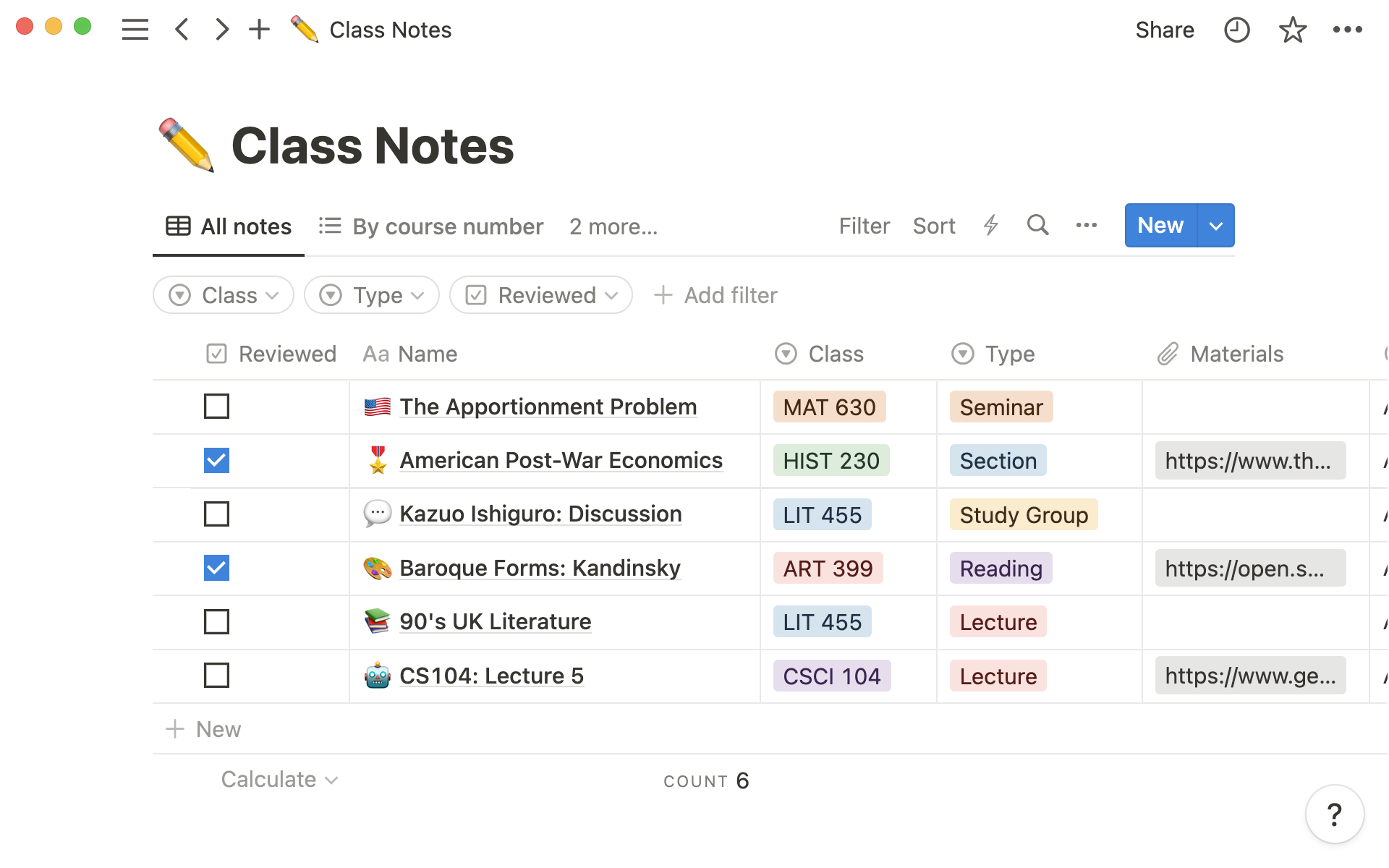 |
Notion AI acts as a central knowledge hub for students.
It allows learners to:
- Organize lecture notes
- Manage assignments
- Track research projects
- Generate summaries
Students can build a personalized learning database, making it easier to review material before exams.
4. Perplexity AI – Research Assistant
 |
Unlike traditional search engines, it provides:
- Direct answers
- Source citations
- Concise summaries
This makes it ideal for research papers and academic investigations.
Understanding search algorithms is also crucial. In fact, modern digital identities are heavily shaped by algorithms, as explored in Your Algorithmic Identity.
5. Canva AI – Presentations and Visual Learning
 |
- Presentations
- Infographics
- Study diagrams
- Posters
With AI-powered design suggestions, even beginners can create professional-looking slides in minutes.
6. QuillBot – AI Paraphrasing Tool
QuillBot is especially useful for academic writing.
It helps students:
- Rewrite complex sentences
- Improve clarity
- Avoid accidental plagiarism
This is particularly helpful when summarizing research papers or converting notes into essays.
7. Smart Study Strategies Using AI
Using AI tools effectively requires strategy.
Best Practices
- Use AI for research assistance, not final answers
- Always verify information
- Combine multiple AI tools
- Focus on learning—not shortcuts
Many experts argue that AI should augment human thinking rather than replace it.
8. Ethical Use of AI in Education
Students must use AI responsibly.
Important principles include:
- Academic honesty
- Citation of sources
- Original thinking
Universities increasingly encourage AI literacy rather than banning AI tools entirely.
9. AI and the Changing Digital Economy
AI is transforming not only education but also global technology systems.
For example:
- Algorithmic Pricing shows how algorithms affect online markets.
- Synthetic Media highlights how AI-generated content is reshaping media.
- The Decentralized Internet explores the future of digital ownership.
Understanding these trends helps students prepare for AI-driven careers.
10. How Students Can Build a Personal AI Toolkit
A strong AI learning toolkit might include:
| Research ───────► Perplexity Writing ───────► ChatGPT Grammar Fix ───────► Grammarly Ideas ───────► ChatGPT Notes ───────► Notion AI Slides ───────► Canva Paraphrase ───────► QuillBot |
|---|
Combining these tools creates a powerful academic workflow.
11.Common Mistakes Students Make with AI
Even the best Free AI Tools for Students can be misused.
Avoid these mistakes:
- Copying AI output without editing
- Trusting AI blindly
- Ignoring original sources
- Overusing AI for simple tasks
The goal should always be learning enhancement, not dependency.
Frequently Asked Questions (FAQs)
- Are AI tools safe for students?Yes, most mainstream AI tools follow strong privacy standards. However, students should avoid sharing sensitive personal data.
- Can AI help with homework?: Yes. AI can explain concepts, generate practice questions, and provide learning guidance.
- Are Free AI Tools for Students accurate?: Generally yes, but they can sometimes produce incorrect information. Always verify answers with reliable sources.
- Do universities allow AI tools?:Many universities now encourage responsible AI use but prohibit submitting AI-generated work as original assignments.
- Which AI tool is best for essay writing?: Grammarly and QuillBot are excellent for improving writing clarity and grammar.
- Can AI replace studying?: No. AI is a support tool. Real understanding still requires effort, practice, and critical thinking.
Conclusion
Artificial intelligence is rapidly reshaping education. With the rise of Free AI Tools for Students, learning is becoming more personalized, efficient, and accessible than ever before.
Students who embrace these tools responsibly can gain a significant advantage in academic performance, research capabilities, and productivity.
However, the most successful learners will be those who combine human curiosity, critical thinking, and AI assistance.
The future of education isn’t just about technology—it’s about smarter learning.


0 Comments