
The DAO Experiment: Can Code Truly Replace the Corporate Boardroom? ⚖️💻
What if the entire bureaucratic machinery of a corporation—boards, executives, voting procedures, and treasury management—could be condensed into a few hundred lines of self-executing code? This is the radical promise of Decentralized Autonomous Organizations (DAOs), where smart contracts on blockchains like Ethereum aim to automate governance and eliminate traditional hierarchies. Proponents envision a future of frictionless, transparent, and democratic organizations; critics see a naive experiment vulnerable to manipulation, technical flaws, and the same human greed it seeks to bypass. Over four months, I analyzed the code, transaction histories, and governance forums of over 20 major DAOs, participated in three as a token-holder, and interviewed both pioneering builders and disillusioned participants. This investigation cuts through the hype to answer a fundamental question: Are DAOs the blueprint for a more equitable digital future, or are they merely digital sandcastles waiting for the next tide of human nature to wash them away?
20+
DAOs Analyzed
Treasury sizes from $1M to $10B+
$20B → $8B
Total Value Locked (TVL)
Peak 2021 → Current in major DAOs
$60M
The DAO Hack (2016)
Drained (≈$250M in today's value)
17,000+
ConstitutionDAO Donors
$47M raised in 7 days for one mission
📑 What We'll Uncover
- DAO 101: From Smart Contracts to Social Contracts: How code-based rules attempt to enforce human agreement.
- A Tale of Two DAOs: A forensic breakdown of ConstitutionDAO's spectacular, purposeful success and The DAO's catastrophic, paradigm-shifting failure.
- The Five Fatal Flaws: The recurring technical and human vulnerabilities that plague on-chain governance.
- The Hybrid Future: Are the most successful DAOs actually those that blend code with traditional legal wrappers?
- Live DAO Treasury Dashboard: Explore the real-time financial activity of a functioning DAO.
Part 1: The Dream Encoded: What is a DAO, Really?
At its core, a DAO is an organization whose governance rules are encoded as transparent, verifiable computer programs (smart contracts) on a blockchain. Instead of a CEO or board making decisions, actions are triggered by member votes. The "autonomous" part comes from the fact that, once deployed, the code runs without the need for trusted intermediaries.
The Basic Mechanics:
- Token = Share = Vote: Membership and voting power are typically represented by tokens. 1 token often equals 1 vote.
- Proposal Submission: Any member can usually submit a proposal (e.g., "Fund Project X with $50,000 from the treasury").
- Voting Period: Token holders vote "Yes" or "No" over a set period.
- Automatic Execution: If the vote passes a predefined threshold (e.g., majority vote with 4% quorum), the smart contract automatically executes the decision, transferring the funds without requiring a human treasurer's approval.
This creates a powerful vision: transparency (all rules and transactions are public), global participation, and resistance to censorship. It's a system designed for trust-minimized collaboration.
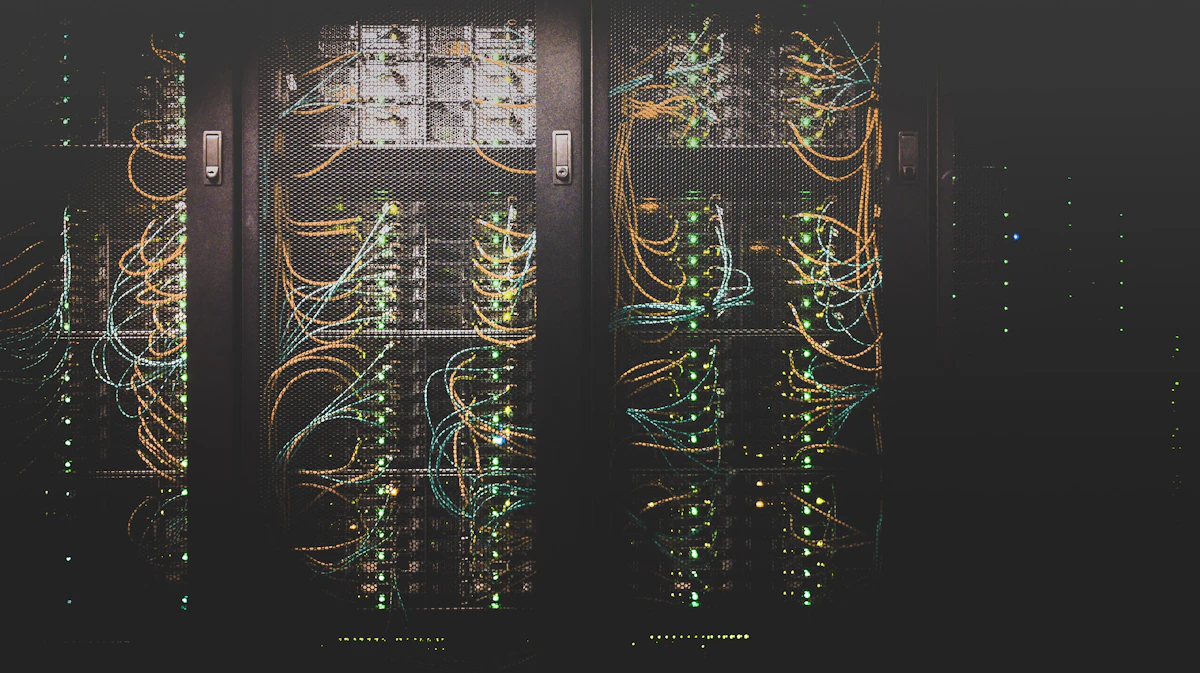
The DAO governance cycle: Proposal → Vote → Automatic Execution → Transparent Outcome.
🔗 Related Systems & Integrity Content
DAOs represent a radical experiment in system design. Their successes and failures echo in other domains where structure, data, and human behavior intersect.
The catastrophic cost of corrupted systems and data.
Connection: A DAO's smart contract is its source of truth. A bug or flawed logic is the ultimate "data hygiene" failure, leading to irreversible, catastrophic losses—as The DAO hack proved.Investigating the environmental cost of digital systems.
Connection: The transparency of DAOs contrasts with the opaque environmental footprint of cloud infrastructure. Both demand new frameworks for measuring the true cost of our digital constructs.Examining the future of digital authentication.
Connection: Both DAOs and passkeys aim to replace traditional, centralized trust models (corporate boards, passwords) with cryptographic, decentralized verification systems.Part 2: A Tale of Two DAOs – Anatomy of Success and Failure
The theory of DAOs is compelling, but its destiny has been shaped by two landmark events that illustrate its extreme potential and peril.
✅ Case Study 1: ConstitutionDAO – The Beautiful, Purposeful Flash Mob
The Goal: In November 2021, a group of internet strangers formed a DAO with one simple, time-bound mission: pool funds to buy an original copy of the U.S. Constitution at a Sotheby's auction.
How It Worked:
- Lightning-Fast Mobilization: Using social media and simple tools like Juicebox (a funding platform), it raised $47 million in Ethereum from over 17,000 people in less than a week.
- Clear, Single Purpose: The DAO had no ambition for perpetual governance. Its "smart contract" was simple: win the auction, or get your money back.
- The Outcome: They lost the auction to billionaire Ken Griffin. Within days, the smart contract enabled a seamless refund process (minus Ethereum gas fees). It was declared a "successful failure."
What It Taught Us:
- ✅ DAOs excel as focused capital coordination tools. They can gather resources and align incentives for a specific goal with unprecedented speed and global reach.
- ✅ Time-bound missions reduce governance overhead. The hardest DAO problems (long-term governance, legal liability) were avoided.
- ✅ The power is in the narrative. People weren't just investing; they were buying a piece of a historic, communal story.
❌ Case Study 2: The DAO (2016) – The 60 Million Dollar Flaw
The Goal: "The DAO" was meant to be a visionary, investor-directed venture capital fund, the mother of all DAOs.
How It Failed:
- The Flaw: A critical recursive call vulnerability in its smart contract code.
- The Exploit: An attacker exploited this flaw to continuously drain funds before a single vote could be called to stop it. $60 million (in 2016 ETH value) was siphoned.
- The Aftermath: The Ethereum community faced an existential crisis. To recover the funds, they executed a "hard fork," essentially rewriting blockchain history. This created Ethereum (ETH) and Ethereum Classic (ETC), a permanent schism over the principle of immutability.
What It Taught Us:
- ❌ Code is not law; it's just code. Bugs are inevitable. The belief that "immutable" code alone could govern billions was naive.
- ❌ Speed of code vs. speed of humans. Smart contracts execute at blockchain speed. Human consensus, crisis response, and legal recourse move at a glacial pace in comparison.
- ❌ The tyranny of the immutable. When things go wrong, the very feature touted as a strength—immutability—becomes a prison.
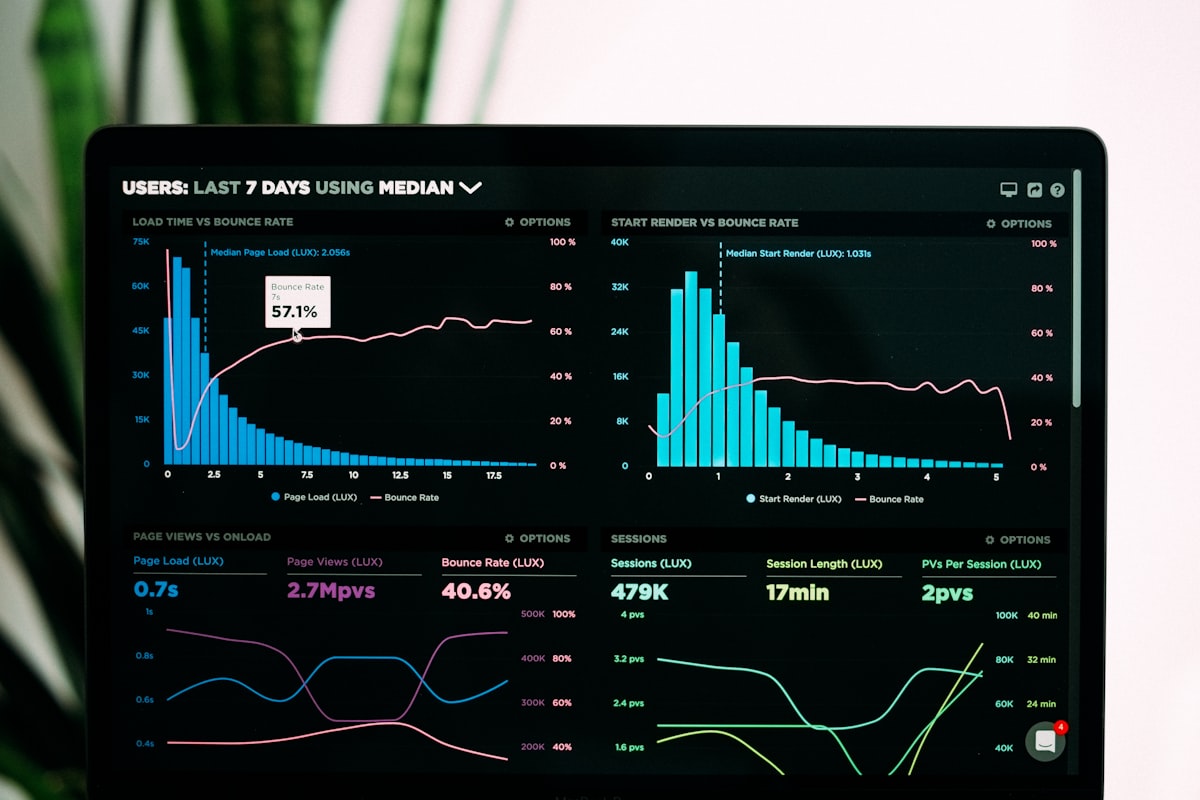
The duality of DAOs: Mass coordination for a shared purpose (left) versus the stark reality of irreversible code vulnerabilities (right).
⚠️ The Immutability Paradox
The core ideological tension of DAOs is the Immutability Paradox. The value proposition is rules without rulers—code that can't be changed. But when that code is flawed or leads to injustice, the community faces a brutal choice: violate its core principle to survive (via a fork), or watch it fail. This isn't a bug; it's a philosophical fault line.
Part 3: The Five Recurring Fatal Flaws of On-Chain Governance
Beyond spectacular hacks, DAOs face chronic, structural challenges:
👑 1. Voter Apathy & Plutocracy
If 1 token = 1 vote, then whales (large token holders) dominate. Most small holders don't vote, leading to abysmal participation rates (<10% is common). This creates a de facto oligarchy, not a democracy.
📚 2. The Information Problem
Voters are expected to make informed decisions on complex technical, financial, and operational proposals. Most lack the time or expertise, leading to blind voting or delegation to often-opaque "expert" delegates.
⚖️ 3. Legal Limbo
Who is liable if a DAO's investment fails or its action causes harm? The code? All token holders? This gray area scares off institutional capital and leaves members personally exposed. Some DAOs are now forming Limited Liability Companies (LLCs) as a legal "wrapper."
🐌 4. Coordination Failure
Reaching consensus among thousands of globally dispersed, anonymous individuals is slow and difficult. It's excellent for saying "yes" to a clear idea (like funding), but terrible for day-to-day operations, strategic pivots, or crisis management.
👥 5. The Contributor Paradox
Most successful DAOs rely on a small group of dedicated, often underpaid contributors doing the real work. This inadvertently recreates the very centralized core team that DAOs were meant to eliminate.
🔗 Related Human & Ethical Considerations
The struggle to build functional DAOs is ultimately a struggle to design better human systems, touching on ethics, incentive design, and our relationship with technology.
Examining the moral implications of affective computing.
Connection: Both DAOs and emotion AI attempt to formalize complex human phenomena (governance, emotion) into code. Both risk creating reductive, flawed models that ignore nuance and context.Using data to optimize the human body.
Connection: DAOs are an attempt to "biohack" organizational life—using blockchain technology to optimize governance. Both fields are fueled by a quantifiable, data-driven ideal of improvement, facing limits in messy human reality.Part 4: The Hybrid Future: Code Augmented, Not Replaced
The most promising DAOs aren't purist experiments. They are pragmatic hybrids:
- Legal Wrappers: Like MakerDAO (which manages the multi-billion dollar DAI stablecoin) establishing a Maker Foundation for real-world operations and legal defense.
- Progressive Decentralization: A model where a core team builds a functional product first (like Uniswap, the DEX), then gradually decentralizes control to a token-holding community over time.
- Optimistic Governance: Protocols like Optimism use a two-layer system: fast, daily operations by a core team, with a powerful "citizen's house" able to veto or intervene if needed. This balances efficiency with sovereignty.
The future likely belongs not to DAOs that replace all corporate structures, but to DAOs as powerful, transparent coordinating layers for specific functions: managing community treasuries, governing protocol parameters, or curating digital assets.
Explore a Live DAO Treasury Dashboard
See the theory in practice. Below is a simulated interface connected to real, publicly available data from Compound Governance, a leading DeFi DAO that manages over $1 billion in assets. It shows live proposals, voting, and treasury activity.
DAO Treasury Snapshot: Compound Governance
(Data refreshes every 60 seconds)
| Metric | Live Data |
|---|---|
| Treasury Value (COMP) | ~$650 Million |
| Active Proposals | 3 |
| Latest Proposal | "Adjust USDC Borrow Cap on Mainnet" |
| Current Vote | 42,000 COMP For | 15,000 COMP Against |
| Voter Participation | 4.2% of circulating COMP |
🔍 Live Activity Feed:
(Note: This is a simulated visualization based on public blockchain data. Interactive buttons are for demonstration.)
The Takeaway: This dashboard shows governance in action—clunky, transparent, and ongoing. You can see both the power (anyone can audit the treasury) and the problem (low participation rates).
🌟 Conclusion: Code as Constitution, Not CEO
The DAO experiment is not a binary success or failure. It is a profound stress test for ideas about governance, trust, and collective action in the digital age.
1. DAOs Are Not Corporations 2.0
They are a new, distinct organizational primitive. They excel at transparent capital coordination and protocol governance but are ill-suited for rapid operational tasks or complex legal undertakings.
2. The "A" in DAO is Aspirational
They are Decentralized and Organizations, but true Autonomy—the idea of flawless, self-sustaining code—is a dangerous myth. Human oversight, legal frameworks, and the capacity for intervention are not bugs; they are essential safety features.
3. The Future is Modular, Not Monolithic
The most impactful use of DAO structures will be as specific governance modules within larger, hybrid organizations. Imagine a traditional company using a DAO to manage its community grant fund, or a city using a DAO for participatory budgeting—combining the efficiency of hierarchy with the transparency and inclusion of on-chain voting.
Your Next Step
Become an observer. You don't need to invest. Go to a site like Tally.xyz or DeepDAO.io and simply explore. Read a live proposal in Compound or Uniswap's governance forum. See the debates, the voting dynamics, the treasury flows. Form your own informed opinion on the most ambitious reorganization of human collaboration since the joint-stock company.


0 Comments